
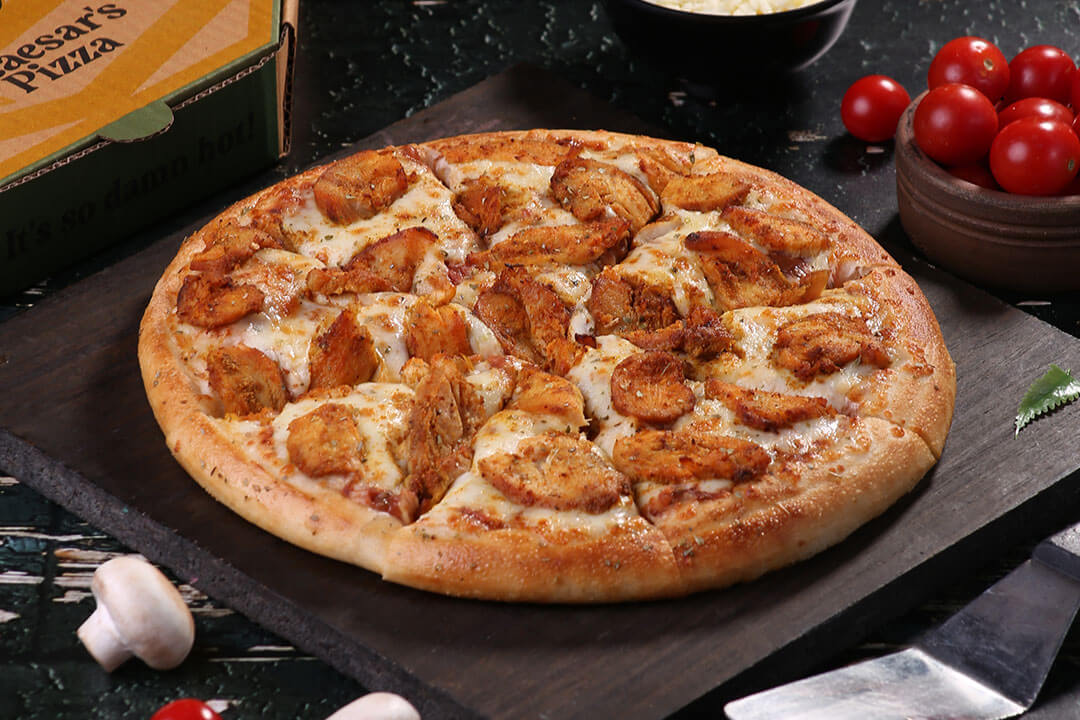
Pizza lovers often face a common dilemma: Fresh vs frozen pizza, which one truly delivers the better experience? While both options have their place, differences in taste, texture, quality, and overall value can significantly influence your choice.
Understanding these distinctions helps you make smarter decisions for meals, gatherings, and cravings. Moreover, it ensures that every bite matches your expectations for flavor and satisfaction.
In today’s fast-paced lifestyle, convenience often competes directly with freshness. Some people prioritize speed and storage, while others insist that nothing rivals a freshly prepared slice. Factors such as calories, ingredient quality, and overall dining experience further shape preferences.
Additionally, exploring the differences between fresh pan pizza and frozen alternatives clarifies both casual meals and premium occasions.
Taste: The Most Noticeable Difference
Taste stands as the primary factor for most fans. Fresh options generally offer a more vibrant flavor profile because ingredients retain their intended aromas and textures. The crust often delivers a satisfying contrast, crisp on the outside yet soft on the inside.
Frozen options, on the other hand, undergo preservation, which can subtly affect taste and mouthfeel. While advances in freezing technology have improved quality, subtle differences remain, especially for toppings like vegetables, cheese, and meat. Comparing both options, taste often becomes the decisive factor for diners who want an indulgent experience.
Texture & Crust Quality
Texture plays a crucial role in the experience. Fresh pizza usually features a lighter, airier crust with a perfect balance of chew and crispness. Because dough is handled and baked immediately, the final slice feels dynamic and satisfying.
Frozen pizza crusts can vary widely in texture because freezing affects moisture and elasticity. This sometimes results in denser textures, less consistent crispness, or dryness in some spots.
Consequently, texture is another area where the competition often favors freshly prepared options, especially for those who enjoy the contrast of a well-baked crust with rich toppings.
Ingredient Quality & Perception
Consumers increasingly care about ingredient quality, which makes freshness a crucial consideration. A fresh bite generally conveys a higher standard, even if the raw ingredients overlap with frozen options. Toppings retain natural color, aroma, and freshness, while cheese melts evenly and integrates with sauces for a harmonious flavor.
Frozen pizza relies on preservation techniques to maintain taste and shelf life, which can subtly change texture and mouthfeel. Because of this, the perception of quality often favors fresh options when comparing both options.
Convenience & Accessibility
Convenience undeniably favors frozen pizza. Long shelf life, easy storage, and rapid preparation make it a practical choice for busy households. It also eliminates the need to visit restaurants or wait for delivery, providing instant meal solutions. However, a fresh slice offers its own advantages.
Ready-made options like fresh pan can be ordered quickly and delivered piping hot. The combination of flavor, texture, and immediate enjoyment gives the fresh meal an edge in occasions where experience matters more than speed.
Fresh Pan Pizza
It is a popular variant among fresh options. Known for its thicker, buttery crust, it offers a rich and indulgent experience. Pan-style baking gives the base a golden crisp outside while keeping the inside soft and airy.
This texture contrast makes a fresh pan slice particularly satisfying and perfect for indulgent meals or sharing during gatherings. Its substantial base also supports generous toppings, ensuring every slice delivers full flavor and satisfaction.
What Is Frozen Pizza
Understanding the choice helps contextualize the comparison. The meal is pre-assembled and preserved through freezing to extend shelf life. The crust is partially or fully baked before freezing, ensuring quick preparation later.
While this makes it convenient, freezing influences moisture, texture, and subtle flavor integration. Recognizing what frozen pizza entails helps consumers make informed choices when weighing between the options.
Frozen Pizza Taste Differences
Taste differences between the two options are often subtle but noticeable. Freezing impacts ingredient quality and moisture distribution. Cheese may melt differently, toppings can release water during baking, and the crust may lack the light crispness of fresh dough.
High-quality frozen food, however, has improved significantly, offering closer approximations of fresh flavor. Consumers seeking optimal taste may still lean toward fresh slices, while frozen ones remain practical for quick meals.
Value for Money
When evaluating fresh vs frozen options, value depends on perspective. Frozen varieties often appear economical due to lower upfront cost, extended shelf life, and reduced delivery expenses. Freshly prepared pies may cost more but offer superior taste, texture, and overall enjoyment.
For gatherings or premium meals, investing in fresh selections frequently provides greater satisfaction per serving. Therefore, considering cost alongside dining experience is essential for making a balanced decision.
Calories in Fresh vs Frozen Pizza
Health-conscious diners may also compare calorie content. Nutritional values vary depending on dough thickness, toppings, and portion size. Frozen options often provide standardized information, making it easier to plan meals.
Freshly prepared choices may differ slightly between restaurants or recipes, but portion control and ingredient selection allow diners to make informed decisions. Enjoying a high-quality, fresh slice can also reduce overconsumption compared to heavily processed frozen alternatives.
Psychological Satisfaction & Experience
Beyond measurable factors, satisfaction and enjoyment play a vital role. Freshly baked pies often create a stronger sensory experience. The aroma, visual appeal, and mouthfeel of a well-prepared pan pie enhance emotional gratification.
Frozen options deliver predictable taste and convenience but may not evoke the same excitement. When comparing fresh and frozen varieties, many diners prioritize the overall experience as much as flavor, especially during special meals or social gatherings.
When Frozen Pizza Makes Sense
Frozen pies have clear advantages in certain scenarios. They work well for solo meals, late-night snacks, or emergency food supplies. Freezing allows flexibility in timing and reduces waste.
While freshly baked selections are preferred for taste and indulgence, frozen alternatives remain practical and cost-effective for everyday convenience without sacrificing quality entirely.
When Fresh Pizza Wins
Freshly prepared pies dominate in contexts where flavor, texture, and enjoyment are priorities. Social gatherings, celebrations, and premium meals benefit from superior crust, melted toppings, and visual appeal.
Investing in high-quality, freshly baked selections enhances dining satisfaction and elevates the overall experience. In these situations, fresh options consistently outperform frozen alternatives in taste and memorability.
Final Verdict: Fresh vs Frozen Pizza
Ultimately, the decision depends on priorities. Frozen options offer unmatched convenience and flexibility for storage, while fresh ones consistently excel in taste, texture, and dining satisfaction.
For indulgence, flavor, and memorable eating experiences, fresh pizza emerges as the superior choice. Selecting fresh options ensures every bite delivers maximum enjoyment and reflects a premium meal experience.