
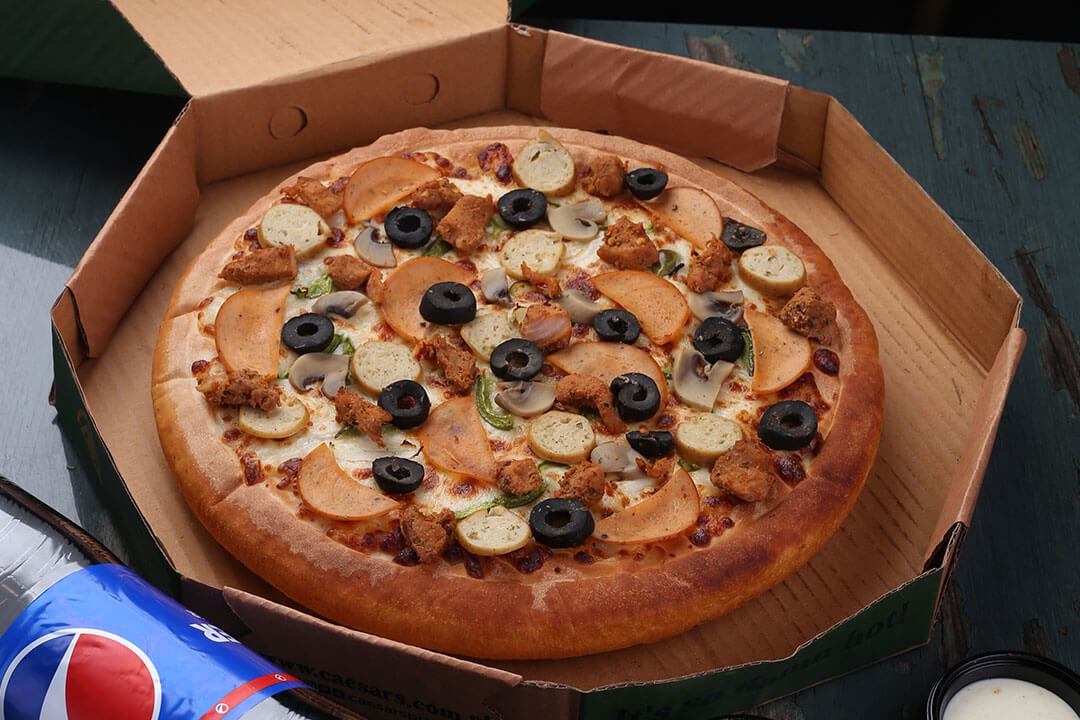
Spice adds excitement to food, and for many people, it turns an ordinary meal into something memorable. Spicy Pizza Options have become increasingly popular because they bring heat, boldness, and energy to every bite. A well-balanced spicy flavor creates warmth without overpowering the rest of the ingredients. This balance is what makes the pizza so enjoyable.
People who enjoy spice often look for meals that feel intense but still satisfying. Spicy pizza delivers that experience by combining heat with familiar textures and flavors. It allows customers to enjoy a strong taste while staying within the comfort of a classic dish. This growing interest in hot flavors shows how food trends continue to evolve toward more adventurous eating habits.
Spicy pizza is not just about heat. It is about how spice blends with sauce, toppings, and crust. When these elements work together, the result feels rich, flavorful, and exciting. Understanding spice levels helps customers choose options that match their heat tolerance and flavor preferences.
Which Type of Pizza Is Spicy?
The question “Which type of pizza is spicy?” usually refers to options that include ingredients known for heat and strong seasoning. Spicy varieties often rely on sauces and toppings that naturally contain chili or pepper-based elements. These slices stand out because they create warmth on the tongue and leave a lingering sensation.
Zesty pizzas do not depend on just one ingredient. Instead, they build heat through layered flavors. Sauce, toppings, and seasonings all contribute to the overall spice level. Some use mild spices that create gentle warmth, while others focus on stronger heat for people who enjoy intense flavor.
The key is balance. A spicy slice should feel bold but still enjoyable. Too much heat without structure can overpower the experience. Well-prepared options focus on harmony between spice and flavor.
What Are Spicy Toppings for Pizza?
The question “What are spicy toppings for pizza?” highlights how ingredients define heat. The toppings are those that naturally contain chili or pepper-based elements. These toppings create warmth and intensity without requiring heavy seasoning.
Common spicy toppings include:
- Chili-based meats
- Pepper-infused vegetables
- Spiced sauces
- Crushed red pepper blends
- Hot seasoning mixes
These toppings introduce spice gradually. Some bring sharp heat, while others offer a smoky or warm sensation. Their role is to elevate the taste without overwhelming the base flavors.
Spicy toppings work best when combined thoughtfully. They should support the sauce and crust instead of dominating them. This careful balance allows customers to enjoy spice comfortably.
What’s the Best Spice to Put on Pizza?
Many people ask, “What’s the best spice to put on pizza?” because spices define the heat level and aroma. The best spice depends on how intense the customer wants the experience to be.
Popular options include:
- Chili flakes for controlled heat
- Black pepper for subtle warmth
- Paprika for mild smokiness
- Chili powder for strong impact
- Herb blends with spicy undertones
Each spice adds a different type of warmth. Some produce immediate heat, while others build slowly. Choosing the right spice ensures a comfortable balance between taste and spice.
Spices should enhance the pizza, not dominate it. A light sprinkle often works better than heavy seasoning. This approach allows flavor and spice to coexist naturally.
Pizza Flavours and Spice Compatibility
The concept of pizza flavours becomes more interesting when spice enters the picture. Spicy flavors add depth and excitement to traditional taste profiles. They turn simple combinations into dynamic experiences.
Hot pizza flavors often feel richer and more satisfying. Heat stimulates the senses and makes each bite feel more intense. This is why many people associate spicy food with comfort and excitement at the same time.
When spice blends with sauce and toppings properly, the flavor becomes layered instead of overwhelming. That is the goal of great spicy pizza.
Why Spicy Pizza Feels So Satisfying
Spicy food triggers a strong physical response. It increases appetite and creates a sense of warmth. This reaction makes the meals feel more fulfilling.
Spicy pizza offers:
- Increased sensory engagement
- Stronger flavor memory
- A feeling of indulgence
- A satisfying heat sensation
These qualities explain why the meal continues to grow in popularity. It satisfies both emotional and physical cravings.
Heat Levels and Personal Comfort
Not everyone enjoys the same level of spice. Spicy Pizza Options range from mild warmth to intense heat. Understanding personal tolerance is essential for an enjoyable experience.
Mild spice creates warmth without discomfort. Moderate spice offers a noticeable kick. Strong spice delivers intense heat that appeals to adventurous eaters.
Choosing the right heat level ensures satisfaction and avoids discomfort.
Sauce and Spice Balance
Sauce carries spice more than any other component. A spicy base sets the tone for the entire food. It distributes heat evenly and supports toppings.
A good sauce:
- Holds spice without bitterness
- Balances acidity and heat
- Enhances overall flavor
Sauce choice often determines how intense the spice feels.
Why Spicy Pizza Is Popular in Group Dining
Spicy pizza adds excitement to group meals. It encourages conversation and shared reactions. People often enjoy discussing heat levels and flavor impact.
Such options bring variety to the table. They offer something different from standard choices and create memorable dining experiences.
Ordering Spicy Pizza with Confidence
Customers feel more confident when they understand spice levels. Knowing what makes a pizza spicy allows smarter decisions. This reduces the chance of ordering something too mild or too intense.
Confidence improves satisfaction and encourages repeat orders.
Health and Spice Awareness
Spice can boost metabolism and increase appetite control. Many people associate spicy food with a lighter eating experience. While spice does not replace balanced nutrition, it can enhance satisfaction with smaller portions.
Moderation remains important. Balanced spice improves enjoyment without discomfort.
FAQs
1. Which type of pizza is spicy?
The pizza that usually contains chili-based sauces, pepper-seasoned toppings, or hot spices that create warmth and heat.
2. What are spicy toppings for pizza?
The toppings include chili meats, pepper-infused vegetables, and spice blends that add heat.
3. What’s the best spice to put on pizza?
Chili flakes, paprika, and black pepper work well depending on the preferred heat level.
4. Do spicy pizza options suit everyone?
Yes, because spice levels can be adjusted from mild to strong.
5. How do pizza flavours change with spice?
Spice adds depth and intensity, making flavors feel richer and more engaging.
Furthermore,
Spicy pizza options bring excitement, warmth, and bold flavor to the dining experience. They allow customers to enjoy food with energy and personality. From choosing the right toppings to selecting the perfect spice level, hot pizza offers flexibility and satisfaction.
Understanding spice helps create enjoyable meals without overwhelming heat. With thoughtful balance, the pizza becomes a flavorful, memorable choice that satisfies cravings while maintaining comfort and control.