
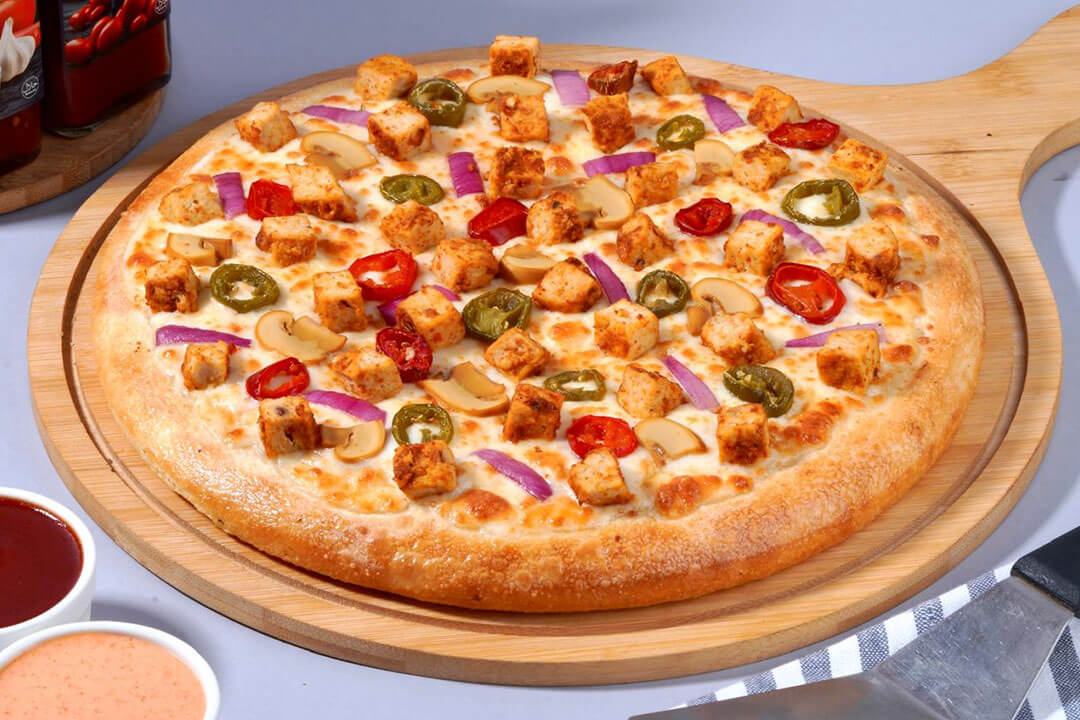
Choosing the right dairy topping can change the entire experience of a baked dish. When people talk about Mozzarella vs Cheddar on Pizza, they usually want to understand how texture, taste, and nutrition shift with each option. This choice not only influences flavor but also affects mouthfeel, aroma, and satisfaction. A thoughtful selection makes meals feel more balanced and enjoyable without overpowering other ingredients.
This topic matters because people order based on taste, comfort, health awareness, and how filling the meal feels. Understanding how each dairy option performs helps customers order confidently and enjoy consistent results.
Understanding How Dairy Toppings Influence Taste
Dairy toppings contribute creaminess, saltiness, richness, and structure. The way they melt, stretch, or hold shape influences how the dish feels with every bite. Some varieties blend smoothly, while others create sharper notes. The balance between softness and firmness defines the final flavor profile.
Choosing correctly ensures that the meal feels satisfying without dominating other elements.
What Type of Cheese Is Best on Pizza?
The question “What type of cheese is best on pizza?” depends on how someone defines a perfect bite. Some people look for a smooth, mild finish. Others want depth and boldness. A dairy topping that melts evenly and complements sauces and crusts usually works best.
A good option supports structure without overwhelming flavor. It should stretch slightly, hold moisture, and blend well with seasonings. Balanced melting behavior helps maintain texture and appearance after baking.
Flavor Profile of Mozzarella
Mozzarella offers a soft, gentle taste. It does not compete with other ingredients and instead allows them to shine. Its main strength lies in melt quality and elasticity. It creates a smooth layer that binds toppings together.
This dairy variety feels light, creamy, and comforting. It works well in meals where subtlety matters. Its neutral nature makes it adaptable for many combinations.
Flavor Profile of Cheddar
Cheddar brings sharper notes. It introduces a stronger identity and adds depth. The taste leans toward boldness and intensity. This makes it ideal for people who enjoy noticeable richness.
Its structure tends to be firmer, and its flavor lingers longer. This creates a satisfying finish that stands out even after baking.
Texture and Melt Behavior
Texture plays a key role in satisfaction. Some dairy toppings melt into a stretchy layer, while others soften and hold shape. A smooth melt creates consistency, while a firmer melt adds body.
This difference influences how each bite feels. Texture often defines preference more than taste alone.
Visual Appeal
Presentation matters. The way a topping browns or stretches affects perception. Some varieties create a glossy surface, while others show slight crisping. This visual cue influences appetite and expectation.
Cheddar vs Mozzarella: Which Is Healthier?
The question “Cheddar vs mozzarella, which is healthier?” focuses on fat content, calorie load, and protein levels. Both options offer nutrients but differ in density.
One is generally lighter in fat and calories. The other offers richer protein concentration and a deeper taste. Health-focused decisions often consider portion control and overall meal balance rather than just one ingredient.
Nutritional Comparison
A Nutritional Comparison helps buyers choose wisely.
Common factors include:
- Calories per serving
- Protein quantity
- Fat concentration
- Sodium levels
- Calcium contribution
Understanding these values allows people to align meals with fitness or wellness goals without removing enjoyment.
Which Cheese Is Tasty for Pizza?
The question “Which cheese is tasty for pizza?” depends on individual preference. Some enjoy gentle creaminess, while others prefer bold sharpness. Taste is shaped by upbringing, habits, and expectations.
A lighter dairy option suits those who enjoy subtlety. A stronger one appeals to those who want richness in every bite.
Cooking Performance
Cooking performance influences final satisfaction. Some toppings spread evenly, others create defined pockets of flavor. Heat reaction defines consistency.
Good performance means:
- Even melting
- Stable texture
- Balanced moisture
- Appealing aroma
These qualities matter when choosing a reliable topping.
Portion Control and Satisfaction
Stronger varieties require less quantity to feel satisfying. Milder varieties allow more extensive coverage without overpowering flavor.
This impacts calorie intake and fullness perception.
Balanced Meal Planning With Dairy Toppings
When people build meals, balance remains the main goal. A dairy topping should enhance flavor without overpowering other elements. Meals feel more complete when richness, salt, and texture stay in harmony. Using the right amount of any topping helps control calories while still keeping satisfaction high.
Balanced meals focus on moderation. Stronger-flavored options require smaller portions, which supports mindful eating. Lighter options allow broader coverage while maintaining a smooth taste. This approach helps people enjoy their food without feeling heavy afterward.
Ordering Psychology and Consumer Preference
Most customers order based on comfort and familiarity. Past experiences strongly shape future choices. People who enjoy subtle and creamy textures often stick to mild dairy options. Those who prefer bold and noticeable taste usually lean toward sharper varieties.
Confidence in ordering increases when customers understand how their choice will affect flavor and satisfaction. Knowledge builds trust and reduces hesitation. That is why learning about Mozzarella vs Cheddar on Pizza supports better decision-making and more enjoyable meals.
How Texture Shapes Eating Experience
Texture defines how food feels in the mouth. Soft melting creates a smooth and calming sensation. Firmer textures add resistance and depth. These small differences shape emotional satisfaction.
People often describe comfort food as smooth and warm. Rich food feels heavy and indulgent. Understanding this helps customers choose a topping that matches their mood and appetite.
Aroma and Flavor Release
Aroma contributes greatly to taste. As heat activates dairy fats, scent intensifies. Some varieties release mild creaminess. Others produce stronger, sharper aromas.
This influences appetite even before the first bite. Aroma builds anticipation and defines the emotional response to food.
Choosing Based on Lifestyle
Lifestyle affects ingredient choice. Health-focused individuals lean toward lighter options. Fitness-conscious people consider protein levels. Food lovers who seek bold experiences enjoy deeper flavors.
No choice is wrong. The key lies in alignment with goals and preferences.
Restaurant Menu Planning
Restaurants choose toppings that satisfy broad audiences. Offering both mild and bold options supports variety. This allows customers to customize meals according to taste and nutrition preferences.
Menu flexibility increases customer satisfaction and repeat orders.
Pairing With Other Ingredients
Dairy toppings interact with sauces, crusts, and additional toppings. A mild base lets herbs, vegetables, and meats stand out. A sharper base adds complexity and richness.
Understanding these interactions helps create better overall combinations.
FAQs
1. What type of cheese is best on pizza?
The best option depends on taste preference and texture expectation. Mild varieties offer smoothness, while stronger varieties bring bold flavor.
2. Cheddar vs mozzarella, which is healthier?
One generally contains fewer calories and less fat, while the other offers higher protein density. Portion size matters more than selection.
3. Which cheese is tasty for pizza?
Taste varies by individual. Some enjoy light creaminess. Others prefer sharp richness.
4. Why does texture matter in dairy toppings?
Texture shapes mouthfeel and overall satisfaction.
5. How does aroma affect food enjoyment?
Aroma increases appetite and defines emotional response before tasting.
Moreover..
Understanding Mozzarella vs Cheddar on Pizza helps people choose based on flavor, comfort, health awareness, and texture preference. One offers gentle creaminess and smooth melting. The other brings bold character and richness. Both have nutritional value and unique benefits.
The right choice depends on personal taste, lifestyle goals, and desired eating experience. When used thoughtfully and in balanced portions, either option enhances satisfaction and enjoyment without overwhelming the meal.