
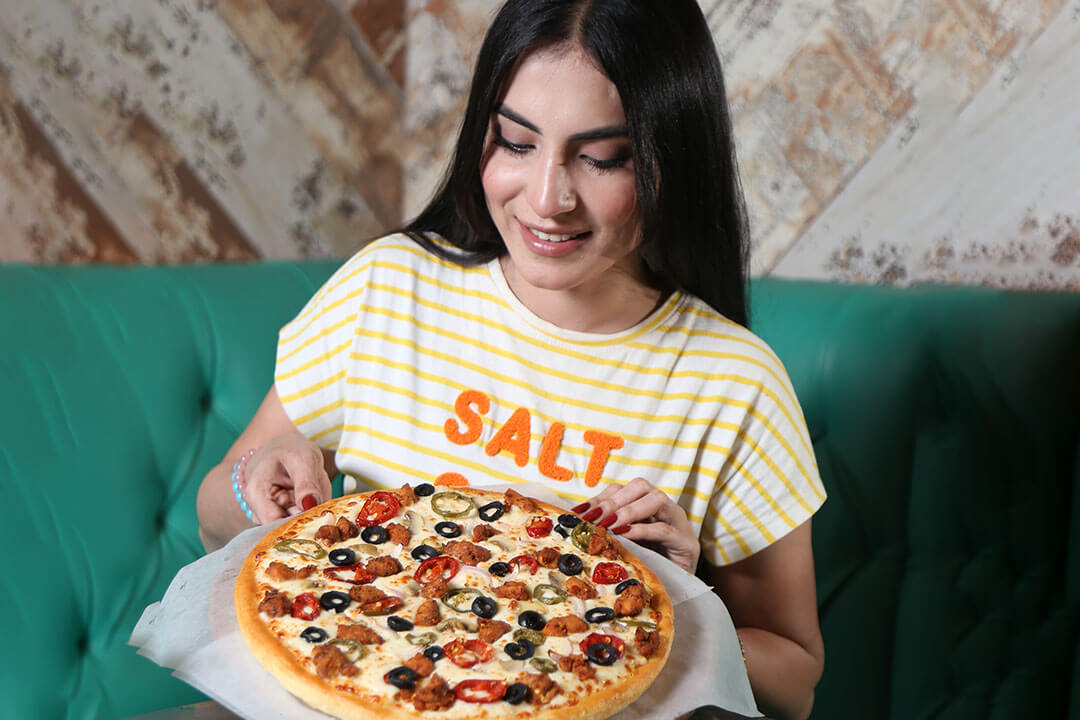
Choosing the right meal for children requires a balance between taste, nutrition, and safety. Pizza for kids can be both fun and healthy when prepared thoughtfully. Parents often look for options that are flavorful yet not overloaded with sodium, fats, or artificial additives. Finding a reliable option helps kids enjoy their meals while parents feel confident about their choices.
Pizza remains a favorite among children because of its versatility and familiar flavors. With the right approach, parents can turn it into a balanced meal that suits smaller appetites and encourages healthy eating habits. Selecting the right size, toppings, and crust can make a big difference in both enjoyment and nutrition.
Why Pizza Appeals to Children
The appeal of pizza lies in its familiar taste and interactive nature. Kids enjoy choosing toppings, eating slices with their hands, and seeing a visually appealing meal. Mini pizza for kids is particularly popular because it is easy to handle, portioned correctly, and visually fun. Small, individual pies allow children to enjoy their food without wasting excess, while giving parents control over ingredients.
Moreover, pizza offers opportunities to introduce vegetables or lean proteins without making the meal feel “forced.” A well-prepared pie can balance indulgence and nutrition, making it an ideal choice for school lunches, birthday parties, or casual dinners.
Healthier Pizza Options for Children
Parents often ask, “Can kids eat pizza?” The answer is yes, with some considerations. Traditional pizzas may contain high sodium and calorie levels, but several strategies make them healthier.
Low-sodium pizza is one of the best options for children. Reducing salt in sauces, cheese, and dough helps prevent overconsumption. Additionally, using fresh toppings instead of processed meats improves nutritional content. Vegetable toppings such as bell peppers, mushrooms, and spinach can enhance fiber intake while keeping flavors appealing. Choosing whole-grain or thinner crusts also reduces refined carbohydrate intake.
Mini Pizza for Kids
Mini pizza for kids is not just smaller in size; it is designed for portion control and convenience. These pies are easy to serve, fun to eat, and perfect for lunchboxes or quick snacks. Mini versions often use lower-calorie ingredients and smaller amounts of cheese, ensuring children enjoy their meals without overloading on fats.
Mini pizzas are ideal for introducing new toppings gradually. Parents can experiment with vegetables or alternative cheeses to develop taste preferences without overwhelming young palates. This flexibility also allows for creative presentation, making meals more exciting and enjoyable.
Pizza Options for Kids
There are many pizza options for kids that balance taste and nutrition. Popular choices include:
1. Cheese-only pies:
Simple and familiar, suitable for picky eaters.
2. Vegetable-enhanced pies:
Adds nutrition while keeping flavors mild.
3. Protein-inclusive pies:
Lean chicken or turkey toppings provide extra protein.
4. Customizable mini pies:
Kids can add toppings themselves, increasing engagement.
These options allow parents to maintain control over ingredients while giving children a sense of choice. Customization encourages healthy eating habits by making children more likely to try new flavors.
Portion Sizes and Serving Suggestions
A single slice of a child-friendly pie can provide adequate energy without excess. Depending on age and appetite, two to three slices often suffice for a meal. Pairing pizza with fruits, vegetables, or milk increases nutritional balance.
Parents should consider mini pizza for kids when planning portion sizes. Smaller pies prevent overconsumption, reduce waste, and simplify mealtime management. Serving pizza in combination with healthy sides ensures children receive balanced nutrients.
Choosing Low Sodium Pizza
Low-sodium pizza options are crucial for maintaining healthy blood pressure and preventing excessive salt intake. Many commercially available pizzas contain high sodium levels, which may not be suitable for children. Opting for low-sodium cheese, reduced-salt dough, and fresh toppings ensures the meal is safer for young diners.
Parents can also make pizzas at home, controlling the ingredients fully. Homemade pies allow precise measurement of salt, cheese, and sauce, making it easier to meet dietary guidelines.
How to Make Pizza Fun for Kids
Presentation plays a significant role in meal enjoyment. Fun shapes, colorful toppings, and small individual pies make pizza more attractive to children. Engaging children in preparation, such as letting them sprinkle toppings or choose their favorite ingredients, encourages interest in food and develops positive eating habits.
Mini pizzas are particularly effective for this purpose. They fit small hands, maintain portion control, and allow children to enjoy the process without frustration.
Nutritional Considerations
When selecting pizza for kids, consider overall nutritional balance:
- Cheese provides calcium and protein.
- Vegetables add fiber, vitamins, and minerals.
- Lean meats supply protein without excess fat.
- Whole-grain crusts increase fiber intake.
Balancing these elements ensures that pizza is not only enjoyable but also contributes to daily nutritional needs.
Occasions and Convenience
Pizza is versatile enough for a variety of occasions. From school lunches to family movie nights, it fits easily into busy schedules. Mini pizza for kids is convenient for packed meals, quick snacks, and parties. Pre-portioned pies help parents manage time effectively while ensuring children enjoy a complete and satisfying meal.
FAQs
1. Can kids eat pizza every day?
Yes, in moderation. Focus on balanced toppings, low-sodium options, and appropriate portion sizes.
2. What are good pizza options for kids?
Cheese-only, vegetable-enhanced, or lean protein pies are best for children.
3. Is low-sodium pizza really important for kids?
Yes, it prevents excessive salt intake while still providing flavor and enjoyment.
4. Are mini pizzas suitable for school lunches?
Absolutely. They are portion-controlled, easy to pack, and fun for children to eat.
5. How can I make pizza healthier for kids?
Use fresh vegetables, lean proteins, low-sodium cheese, and whole-grain crusts. Mini pies also help manage portion sizes.
Furthermore..
Selecting the right pizza for kids involves balancing taste, nutrition, and convenience. Mini pizza options, low-sodium choices, and carefully planned toppings make meals enjoyable and safe. Parents can confidently offer pizza knowing it can provide both fun and essential nutrients. Portion control, creative presentation, and thoughtful ingredient selection transform pizza into a child-friendly meal that satisfies cravings while supporting healthy growth.
By making informed choices, parents ensure children enjoy meals that are tasty, manageable, and aligned with overall dietary needs.