
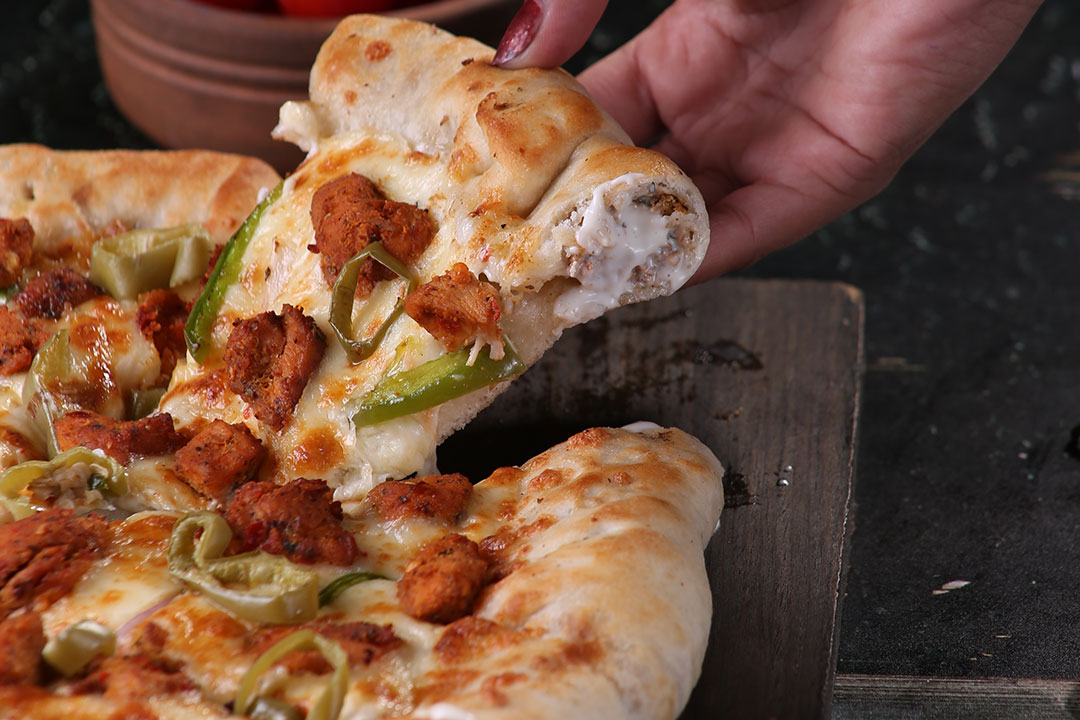
Understanding the different pizza crust types can completely change the way you enjoy your favorite slice from Caesar’s Pizza Pakistan. Crust is more than just a base for toppings; it defines the texture, flavor, and overall eating experience. Knowing which crust to choose ensures every bite feels exactly how you want it. Each pizza crust style has unique characteristics that define its texture and flavor.
Different Types of Pizza Crust
There are many different types of pizza crust, each with a unique texture and feel. Some are soft and fluffy, while others are thin and crisp. Popular options include pan, thin, cheese-stuffed, and deep-dish crusts. Pan crust is thick and fluffy, providing a hearty base that holds plenty of toppings.
Thin crust offers a lighter, crispier experience, making it ideal for those who enjoy every topping flavor without being overwhelmed by the bread. Cheese crust pizza, on the other hand, combines a soft or thick base with a layer of melted cheese baked along the edges, adding richness to every bite. Learning about these options helps you understand what to expect from your order and ensures a satisfying meal.
Thin Crust Pizza vs Thick Crust Pizza
When comparing thin-crust pizza vs thick-crust pizza, the difference is primarily in texture and thickness. Thin crust is rolled out flat and baked quickly, giving it a crisp and crunchy texture. It works best for lighter toppings or when you prefer a less filling slice.
Thick crust, such as pan or deep-dish, rises more in the oven and creates a soft, fluffy interior. This crust feels more filling and supports generous toppings. Understanding this contrast is essential when deciding which pizza crust type fits your appetite and flavor preference.
Cheese Crust Pizza
Cheese-crust pizza has grown in popularity because it adds an extra layer of indulgence. The crust is stuffed or topped with melted cheese, which creates a rich and flavorful bite around the edges.
It complements both thin and thick bases, depending on your preference. Cheese crust provides a more satisfying experience for cheese lovers and transforms every slice into a slightly more decadent treat. By including this option in your choice of pizza crust types, you can enjoy a richer flavor profile and a texture that pairs perfectly with your favorite toppings.
Types of Pizza Dough
Understanding types of pizza dough helps explain why crusts feel and taste so different. Dough variations include traditional yeast dough, whole wheat, gluten-free, and sourdough. Traditional yeast dough creates the classic soft and chewy base most people recognize. Whole wheat dough adds a slightly nutty flavor and denser texture. Gluten-free dough accommodates dietary needs without sacrificing much texture. Sourdough pizza dough provides a tangy flavor and slightly crisp crust. Each dough type interacts with toppings and sauces differently, which is why knowing your dough helps you choose the best pizza crust type for your meal.
Flavor and Texture Considerations
The pizza crust type you choose directly affects flavor and texture. Thin crust lets toppings shine because the bread is less dominant, while thick crust provides a hearty base that enhances filling sauces and cheese.
Pan crust gives a soft, golden edge with a slightly crisp bottom. Cheese-stuffed crust adds richness and makes each bite more indulgent. By understanding how crust influences your meal, you can order a pizza that meets your expectations and satisfies every bite. The right crust ensures your dining experience is balanced and delicious.
Thin vs Thick vs Cheese Crust Comparison
| Feature | Thin Crust | Thick Crust (Pan/Deep Dish) | Cheese Crust |
|---|---|---|---|
| Texture | Crispy, crunchy | Soft, fluffy, bread-like | Soft or thick with cheesy edges |
| Thickness | Very thin | Thick and airy | Medium to thick |
| Calories | Lower calories | Higher calories | Highest calories |
| Best For | Light eaters, topping lovers | Heavy meals, filling appetite | Cheese lovers |
| Topping Support | Light toppings | Heavy toppings | Works with both |
| Taste Focus | Toppings stand out | Balanced bread + toppings | Rich, cheesy flavor |
| Filling Level | Light | Very filling | Very filling |
Choosing the Right Crust for Your Meal
When deciding among pizza crust types, consider what kind of eating experience you want. If you prefer a lighter bite that highlights toppings, thin crust is ideal. If you want a filling, hearty slice, a pan or thick crust works best.
Cheese crust is perfect if you love extra cheese in every bite. Understanding these options helps you choose wisely and ensures your pizza feels just right. Knowing the difference between different types of pizza crust helps make every meal enjoyable and tailored to your preference.
How Crust Shapes the Pizza Experience
Crust is more than just bread; it shapes the overall pizza experience. Thick and pan crusts provide comfort and fullness, making them ideal for satisfying meals. Thin crusts are crisp and light, perfect for quick bites or when you want to focus on the toppings. Cheese crust adds a rich, indulgent layer that elevates the flavor.
Each crust type influences how the toppings, sauce, and cheese interact in every bite. By considering the crust, you can customize your pizza order to match your exact taste, whether you want indulgent, light, or balanced flavors.
FAQs
1. What is the difference between thin and thick-crust pizza?
Thin crust is crisp and light, highlighting toppings, while thick crust is soft, fluffy, and more filling.
2. Which crust is best for cheese lovers?
Cheese-crusted pizza is ideal because it adds melted cheese to the edges or inside the crust.
3. Can different types of pizza dough affect the crust?
Yes. Yeast dough, whole wheat, gluten-free, and sourdough all create distinct textures and flavors.
4. Is pan crust the same as thick crust?
Pan crust is a type of thick crust with a soft, fluffy interior and slightly crisp bottom.
5. How should I choose the right crust?
Choose based on texture preference, filling level, and whether you want cheese-rich or lighter bites.
Furthermore..
Knowing the pizza crust types makes it easier to pick the perfect slice from Caesar’s Pizza Pakistan. Thin crust offers a crisp, light bite, while thick or pan crust delivers a soft, filling experience. Cheese crust adds indulgence, and understanding dough types allows you to anticipate flavor and texture. By selecting the crust that matches your taste and meal preference, every order becomes more satisfying. Understanding different types of pizza crust helps you enjoy every bite with the perfect texture and flavor.