
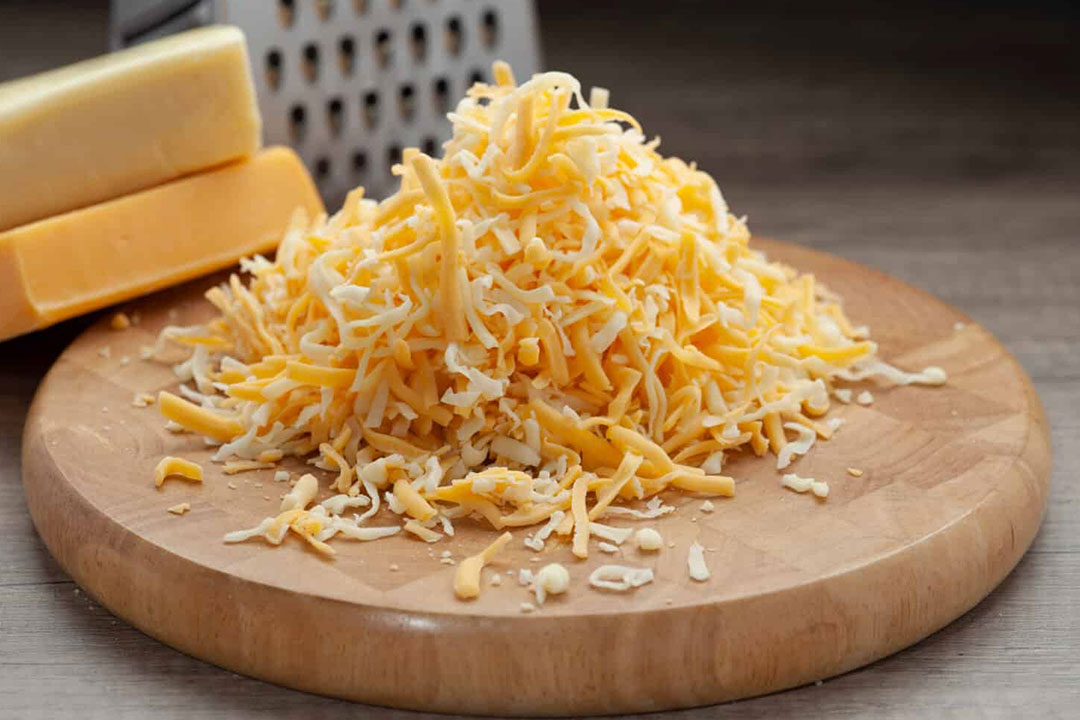
The Mozzarella vs Cheddar cheese debate is perhaps one of the most commonly searched for queries when people are making any kind of cheese-centred recipe, pizza, pasta, or otherwise. So, in this article, let us answer that question for you, as we discuss their differences and uses. But you should remember, though, that both these cheeses complement each other more than compete with each other.
Origins, taste and texture
When comparing mozzarella vs cheddar cheese, understanding their origins helps. Mozzarella originated in Italy, traditionally made from buffalo or cow’s milk, with a fresh and mild flavour. Cheddar cheese comes from England (the Somerset region) and is a firm, aged cheese with a sharper flavour.
Taste
In the mozzarella vs cheddar cheese debate for taste:
- Mozzarella has a mild, milky, slightly tangy taste.
- Cheddar offers a richer, nuttier or sharper flavour, especially when aged.
If you prefer a subtle cheese that lets other toppings shine, mozzarella might win. If you want a bolder cheese presence, cheddar can bring that punch.
Texture & Melting
For texture and how they behave when heated:
- Mozzarella: soft, moist, with “string-pull” when melted, ideal for classic pizza
- Cheddar: semi-hard to hard, depending on age, less elastic, melts differently.
When choosing pizza, the mozzarella vs cheddar cheese comparison reveals that mozzarella often gives the classic “cheesy pull” and melt, whereas cheddar brings a firmer, flavour-forward finish.
Nutritional and dietary considerations
From a health and dietary standpoint, the mozzarella vs cheddar cheese comparison also matters for pizza goers.
Does mozzarella cheese contain lactose?
If you’re wondering “does mozzarella cheese contain lactose?”, the answer is yes, but often in very low amounts. Fresh mozzarella typically contains around 2-3 % lactose or about 2-3g per 100 g. Some sources note that certain aged cheeses like cheddar and older versions of mozzarella, have very little measurable lactose. So, if you have mild lactose intolerance, mozzarella may still be tolerable, but it’s wise to try it in moderation.
Is cheddar cheese gluten-free?
Another dietary question is “Is cheddar cheese gluten-free?”. Generally, yes, natural cheddar cheese is naturally gluten-free because it is made from milk, cultures, rennet and salt, none of which inherently contain gluten. However, processed or flavoured cheddar may include additives with gluten, so label reading is important. Thus, in the mozzarella vs cheddar cheese comparison for gluten sensitivity, cheddar is usually safe in its natural form.
Other nutritional differences
In the broader mozzarella vs cheddar cheese comparison:
- Mozzarella tends to be lower in calories and saturated fat than cheddar.
- Cheddar, being aged and more concentrated, can be higher in flavour intensity and certain nutrients like vitamin K2 when aged.
If you are counting fat, calories or sodium, choosing mozzarella might align better, but if you’re after a robust cheese flavour, cheddar could be your pick.
Which type of cheese is used in pizza?
One of the key headings for pizza lovers is “Which type of cheese is used in pizza ?” When considering mozzarella vs cheddar cheese for pizza:
- Mozzarella has long been the standard cheese for pizzas due to its melt, stretch and mild flavour. According to pizza-cheese research, mozzarella is ideal for browning, bubbling and providing that cheese pull.
- Cheddar is used less frequently as the sole pizza cheese, but can be blended or used for a flavour twist. Some pizza-cheese blends contain mozzarella mixed with cheddar for a more complex taste.
At Caesar’s Pizza in Karachi, you may find that your favourite cheese combination is critical to match the toppings, crust style and baking conditions, so the mozzarella vs cheddar cheese decision is practical. For a classic melt and traditional pizza texture, pick mozzarella. If you want a sharper taste or a fusion style (for example, spicy toppings, flavour-driven crust), then cheddar or a mix may be appealing.
Can mozzarella and cheddar be mixed?
In the context of pizza at many restaurants, you might ask, “Can mozzarella and cheddar be mixed ?” Yes, absolutely. Mixing these two cheeses can bring together the best of both: the melt and stretch of mozzarella with the flavour punch of cheddar. The mozzarella vs cheddar cheese combination is used in some pizza formulations and cheese blends for that reason.
When you mix them:
- Use mozzarella as the basis for melt, texture and classic pizza behaviour.
- Add cheddar in a lesser proportion to provide flavour depth.
- Be aware that cheddar melts differently; too much cheddar can change the texture, making it firmer and possibly more oily.
- Ensure your pizza oven or baking method suits the blend; Karachi-style pizza ovens or delivery conditions may affect how the cheese behaves.
In short, mixing mozzarella and cheddar can elevate your pizza experience at any restaurant, giving you both stretch and taste.
Practical tips for your pizza order
To make the most of the mozzarella vs cheddar cheese discussion when you’re ordering or choosing toppings, keep this in mind:
- Decide your goal: If you want a classic, gooey, stretchy pizza experience, go with mozzarella. If you want bold flavour, ask for cheddar or a blend.
- Topping pairing: Stronger toppings (spicy chicken, red onions, pickled jalapeños) often pair well with cheddar’s flavour. Delicate toppings (fresh tomatoes, basil, light sauce) suit mozzarella.
- Melting & baking conditions: Mozzarella excels when baked at high temperatures and offers good melt. Cheddar may brown faster or become firmer.
- Texture preference: If you like lots of cheese pull and soft texture, stick mostly to mozzarella. If you prefer crisp edges and cheese flavour punch, include cheddar.
- Dietary concerns: If you have mild lactose intolerance, mozzarella may still be okay, but monitor your portion. If you need gluten-free, ensure the cheese is of natural quality (both mozzarella and cheddar can be gluten-free).
- Budget & portioning: Some premium cheese blends cost a bit more, so some restaurants might provide the option for you to ask how the cheese type affects pricing.
- Cheese mixing: Request a mix of mozzarella + cheddar for the best of both worlds.
Conclusion
So, for the next time you opt for mozzarella vs cheddar cheese for your next pizza, you now have a clear understanding of their differences and how they perform in taste, texture, melting and dietary aspects. Mozzarella brings softness, mild flavour and that classic pull. Cheddar brings bold flavour, firmer texture and ageing richness.
If you want a safe, traditional pizza experience, go with mozzarella. If you are adventurous and want a taste twist or cheese blend, cheddar or a mix of mozzarella and cheddar is worth trying. Either way, make an informed choice based on your toppings, dietary needs, and baking style!